- Home
- FTA-Transit
49 CFR Part 655 · 49 CFR Part 40
FTA Drug & Alcohol Testing for Transit Professionals
FTA-compliant drug and alcohol testing programs for public transit agencies and safety-sensitive employees under 49 CFR Part 655 and 49 CFR Part 40 — keeping passengers safe and operations moving.
EZDOT, LLC
Trusted by companies nationwide for over 20+ years.
What's Included
- FTA-compliant drug & alcohol testing program setup
- Random testing pool management (FTA rates)
- Pre-employment, post-accident, and reasonable suspicion testing coordination
- Written policy development aligned with FTA requirements
- Designated Employer Representative (DER) support
- Supervisor training (reasonable suspicion determination)
- MIS reporting assistance (FTA annual reporting)
- Substance Abuse Professional (SAP) referral and compliance tracking
Who Must Comply?
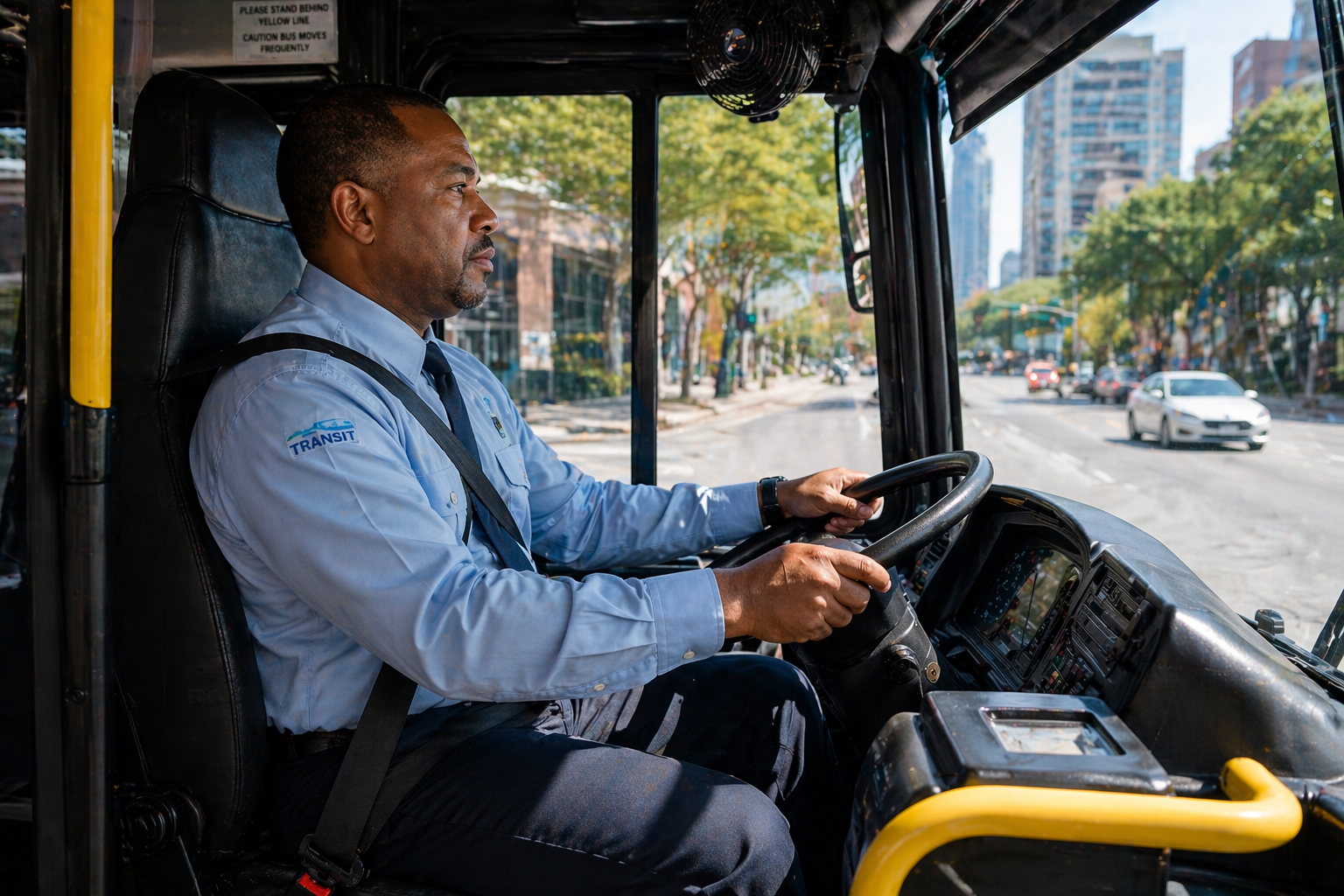
Operate public transit buses and are directly responsible for passenger safety. Any impairment poses significant risk, making strict compliance essential.
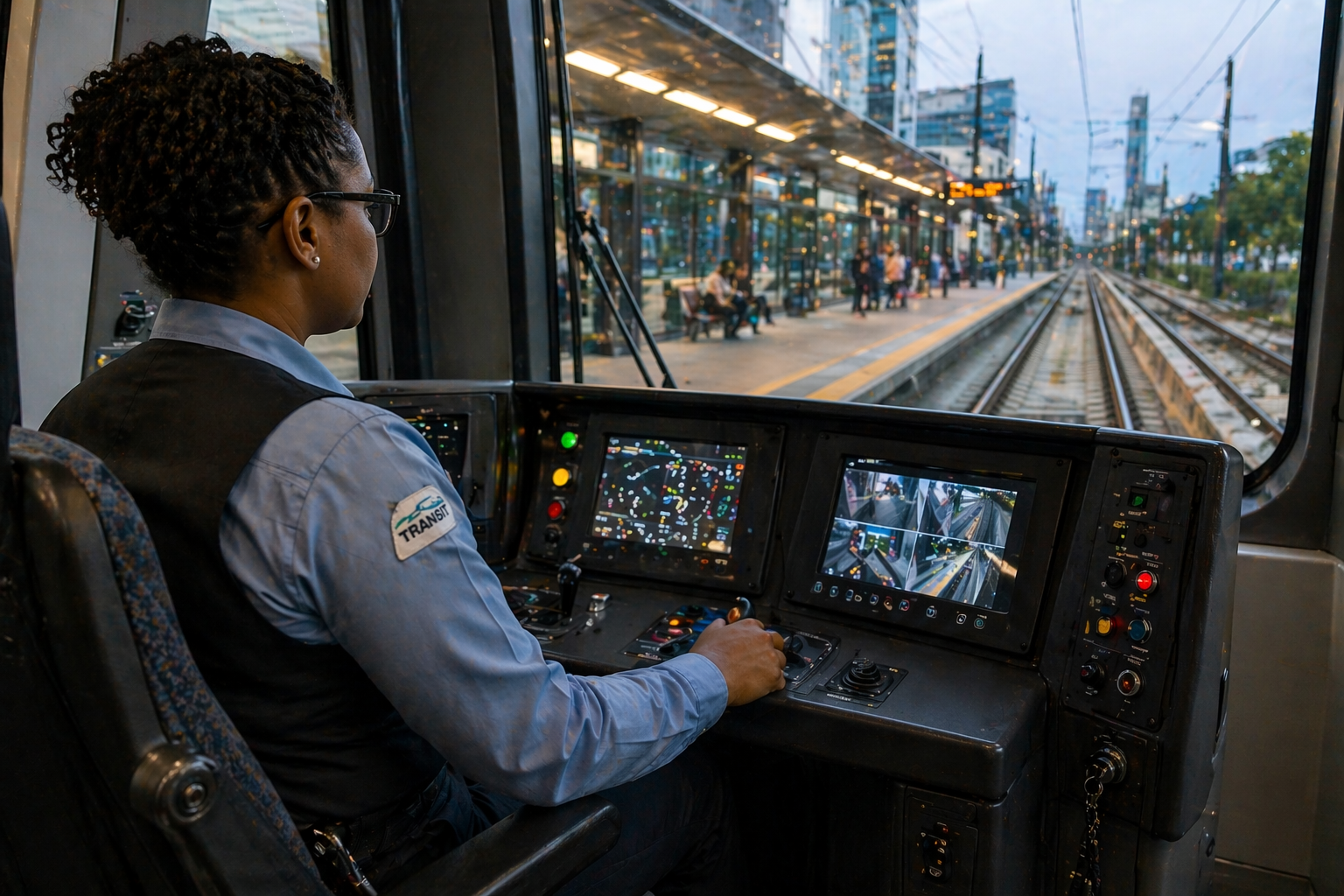
Control and operate trains in urban transit systems. Their role is safety-critical due to high passenger volume and system complexity.
Oversee routing, scheduling, and communication with operators. They play a key role in maintaining safe and efficient transit operations.
Maintain and repair buses, rail vehicles, and related systems. Their work ensures vehicles are safe and operational for public use.
How it works
Required Test Types
Required before an employee begins performing safety-sensitive duties.
Employees are selected throughout the year using FTA-mandated random testing rates.
Required following qualifying transit incidents to determine whether substances were a factor.
Conducted when a trained supervisor observes signs of drug or alcohol use.
Required after a violation before an employee can resume safety-sensitive duties.
Unannounced testing conducted according to a Substance Abuse Professional (SAP) plan.
Compliance Checklist
Program Setup & Policy
- Written FTA-compliant drug & alcohol policy
- DER assigned and trained
- Employees notified and policy acknowledgment documented
- Safety-sensitive positions clearly defined and documented
Testing & Training
- Random testing pool established and maintained (FTA rates)
- Supervisors trained for reasonable suspicion determinations
- All required testing types implemented (pre-employment, random, post-accident, etc.)
- Employee education and awareness training completed
Documentation & Reporting
- Records maintained in accordance with FTA retention requirements
- Annual MIS reports prepared and submitted accurately
- MRO and SAP services available and documented
- Audit logs, testing records, and compliance reports readily accessible
Regulatory Resources
Authoritative FTA regulations governing drug and alcohol testing programs for public transit systems and safety-sensitive employees.
View official resource →
Standardized federal procedures outlining how drug and alcohol testing must be conducted across all DOT-regulated industries.
View official resource →
Frequently Ask Questions
Who is considered safety-sensitive under FTA?
Employees who operate vehicles, maintain transit equipment, or control dispatch operations that impact safety.
Are FTA testing requirements different from FAA or FMCSA?
Yes. While all follow 49 CFR Part 40 procedures, FTA regulations (Part 655) are specific to public transit systems.
What substances are tested?
Marijuana, cocaine, amphetamines, opioids, and PCP as required by DOT regulations.
What is MIS reporting?
An annual report required by FTA documenting testing activity and program compliance.
What happens after a failed test?
The employee is removed from safety-sensitive duties and must complete a SAP program before returning.
Do small transit agencies need to comply?
Yes. Any agency receiving FTA funding and employing safety-sensitive workers must comply.